
Fundamentals
Fundamentals Prevent Service Deployment Problems
Most service deployment problems are not caused by the service itself but by missing operating system knowledge. Containers cannot communicate because network namespaces are misunderstood. Docker services become unreachable because the interaction between UFW and Netfilter is unclear. PostgreSQL backups fail when WAL archiving and point-in-time recovery are not understood. SSH becomes a security risk without a solid understanding of public-key cryptography and agent forwarding.
These series explain the underlying concepts before introducing service-specific guides. TCP/IP behaves the same on Debian and OpenBSD — only the configuration tools differ. ACID transactions follow the same principles in PostgreSQL and MariaDB, although their internal implementations vary. SSH keys rely on the same cryptographic foundations regardless of the operating system.
Later service guides build on these fundamentals instead of repeating them. They reference concepts such as “SSH key security from the Network Fundamentals” or “MVCC from the Database Fundamentals.” This structure eliminates redundancy and encourages independent troubleshooting.
The Fundamentals Concept: Cross-Platform vs. Platform-Specific
Cross-platform fundamentals explain concepts that work identically across Unix-like operating systems. IPv4 addressing, DNS hierarchy, SSH protocols, ACID properties, and SQL standards remain the same regardless of the distribution. These principles form long-lasting technical knowledge.
Platform-specific fundamentals focus on how different operating systems implement those concepts. APT, pkg_add, and pacman all manage software packages. systemd, rcctl, and runit all manage services. pf, iptables, and ufw all implement firewall rules. The concepts remain identical while the tools differ.
This separation avoids unnecessary duplication. Network Fundamentals explain TCP/IP only once. Debian Fundamentals focus on /etc/network/interfaces. OpenBSD Fundamentals explain hostname.if. The underlying networking concepts never need to be repeated.
Available Fundamentals
Cross-Platform Fundamentals
Concepts shared by all Unix-like operating systems
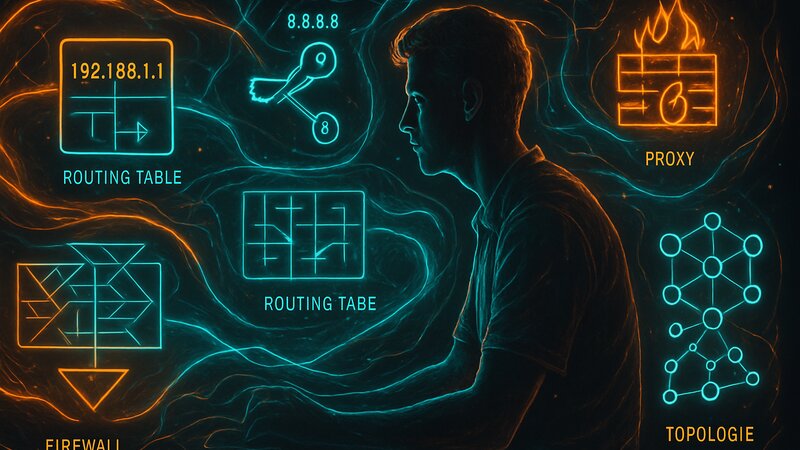
Network Fundamentals

Linux/Unix Filesystem
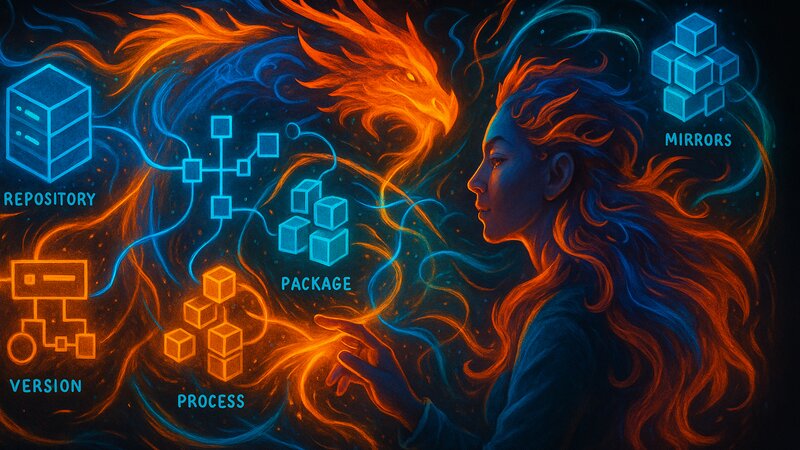
Package Management Concepts
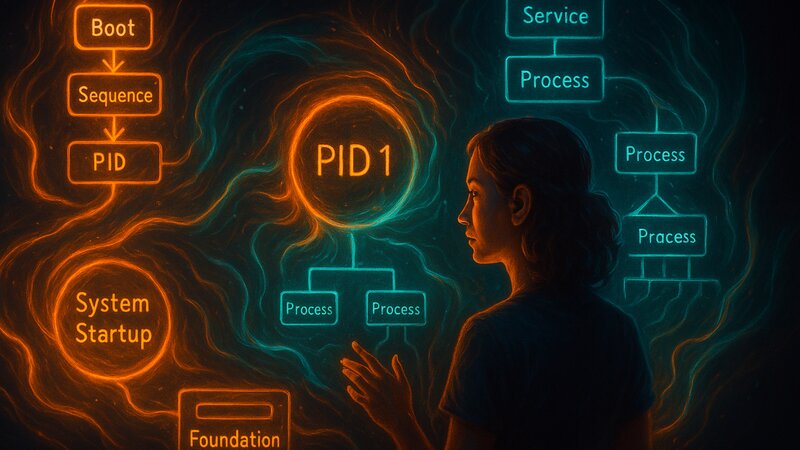
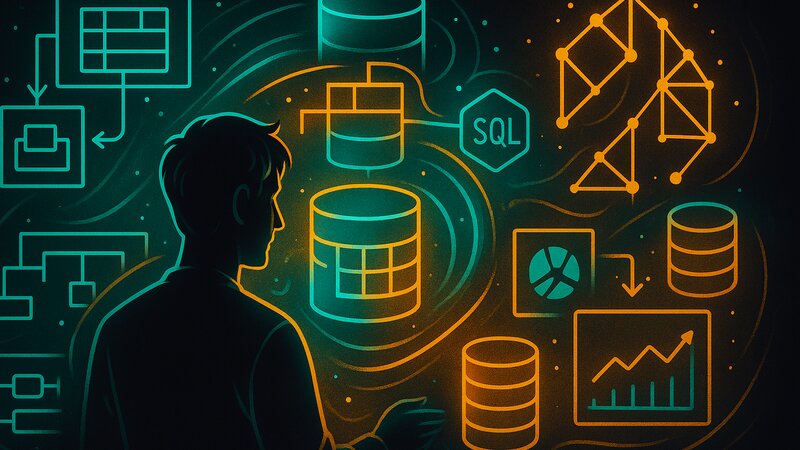
Database Fundamentals
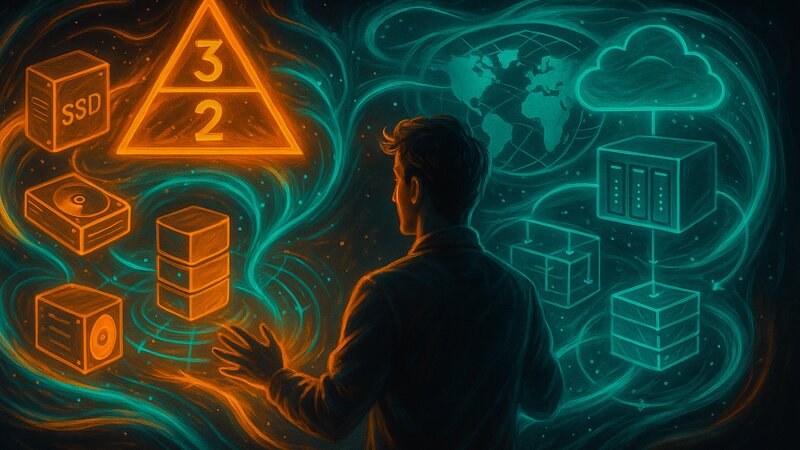
Backup Strategies
Technology Fundamentals
Concepts tied to a technology itself, independent of the operating system
Technology Fundamentals explain principles that don’t depend on Unix integration but on the technology itself. A neural network behaves identically whether it runs on Debian, OpenBSD, or in the cloud - unlike package management, which is always platform-specific.
AI Fundamentals
Operating System Fundamentals
Installation, package management, and system tools for each platform
OpenBSD Fundamentals
Why Learn Fundamentals Before Services?
Understanding package repositories makes Debian package management predictable. Understanding systemd units makes service failures easier to diagnose. Network namespaces explain container connectivity. PostgreSQL MVCC enables informed decisions about concurrent access.
Service deployments become deliberate configuration decisions instead of copy-and-paste exercises. Plausible Analytics depends on PostgreSQL, so the Database Fundamentals explain ACID guarantees and performance characteristics. Matrix requires federation ports, which are covered in the Network Fundamentals alongside firewall integration and reverse proxy concepts.
A solid understanding of the fundamentals enables independent troubleshooting. Diagnose container networking through network namespaces. Analyze PostgreSQL WAL behaviour when backups fail. Troubleshoot SSH agent issues with confidence. Service-specific guides can then focus on implementation rather than repeating background knowledge.
Fundamentals Enable Digital Sovereignty
Understanding your operating system reduces dependence on tutorials and community support. Network troubleshooting becomes systematic through a solid understanding of TCP/IP. Database performance tuning builds on storage engines and ACID principles. SSH security begins with understanding public-key cryptography.
Fundamentals also enable simpler solutions. Native installations instead of unnecessary container abstractions. Shell scripts instead of complex orchestration. System services instead of automation layers. These choices are only possible when the operating system itself is understood.
Together, the seven series form a coherent learning path, spread across three levels: Network, Filesystem, Package Management, Init Systems, and Database Fundamentals explain cross-platform concepts. AI Fundamentals clarify the terminology and concepts of a technology independent of the operating system. OpenBSD Fundamentals demonstrate a platform-specific implementation. Combined, they provide the knowledge needed to build, operate, and troubleshoot systems independently.