Package Management Concepts
Package Management Concepts
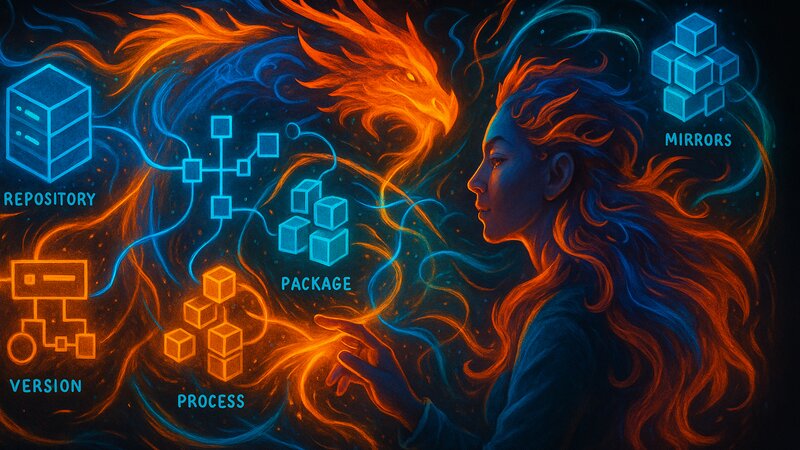
Unix systems distribute software through packages. A package contains programs, libraries, configuration files, and metadata. The package manager installs these packages, resolves dependencies, and keeps the system up to date.
Debian uses APT with dpkg, Arch uses pacman, and OpenBSD provides pkg_add. The tools differ, but the concepts remain the same: centralized package sources (repositories), automatic dependency resolution, and secure updates.
Why Package Management Matters
Installing software from package repositories is safer than downloading individual files. Packages are signed and verified. Updates come from trusted sources. The package manager ensures that all dependencies are satisfied—an installed program is guaranteed to work.
Windows users download .exe files from websites—a potential source of malware. Unix systems provide tens of thousands of packages from verified sources. An apt install nginx installs a verified, secure web server together with all required libraries.
This series explains the concepts independently of any distribution. APT-specific commands or pacman syntax are covered in the respective distribution articles.
The Three Articles in This Series

Repository Systems: Centralized Package Sources
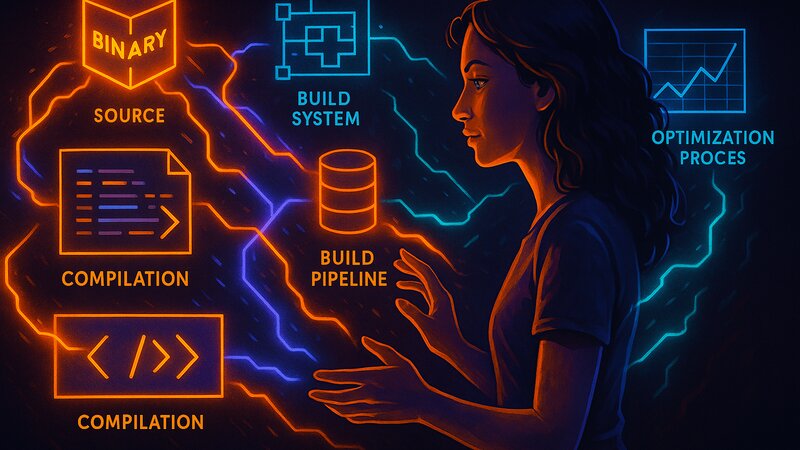
Binary Packages vs. Source Code Compilation
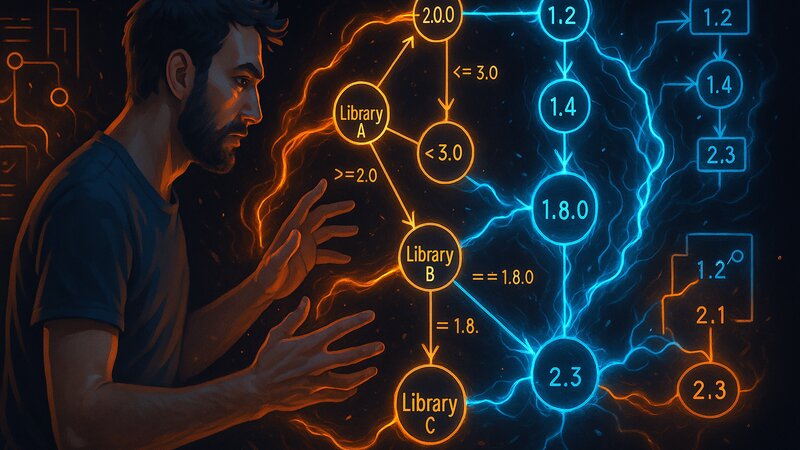
Dependency Resolution: Managing Libraries
Update Strategies: Rolling Release vs. Stable
Distributions follow different update philosophies:
Rolling Release (Arch):
- Continuous updates
- Latest software versions
- Daily or weekly updates
- Greater flexibility, more maintenance
Stable Release (Debian):
- Versioned releases every 2–3 years
- Only security updates for software versions
- Long-term stability
- Fewer features, fewer problems
Hybrid (OpenBSD):
- Semiannual releases
- Clear upgrade paths
- Security before features
- Moderate maintenance effort
These concepts apply regardless of the distribution. Their implementation differs:
- Debian:
apt update && apt upgradefor security updates,apt full-upgradefor major upgrades - Arch:
pacman -Syufor continuous updates - OpenBSD:
sysupgradesemiannually between releases
After These Fundamentals
With this foundation, the distribution-specific articles become easier to understand:
- Debian Fundamentals (planned) explain APT, dpkg, and sources.list
- OpenBSD Fundamentals (planned) cover pkg_add and /etc/installurl
- Arch Fundamentals (planned) use pacman and the AUR
These articles assume an understanding of package management and demonstrate distribution-specific tools.
Related Fundamentals:
- Backup Strategies for backing up package lists
- Linux/Unix Filesystem for installation paths